A Second Life for Surplus Food: 6.5 Million Loaves, Countless Smiles
Since 2009, Maxim's Group's Love Bread Donation Programme has rescued and donated more than 6.5 million pieces of surplus bread.
1. What a Single Loaf Can Mean
Foodlink was one of the founding partners of Maxim's Group's Love Bread Donation Programme. In 2009, when surplus food donation in Hong Kong was still in its infancy, Maxim's took the lead in donating surplus bread with food banks such as Foodlink. Getting started was no easy task. The quality assurance team had to choose suitable bread products for donation, food banks' storage facilities had to be assessed, and volunteers had to be recruited to collect surplus bread from bakeries. With strong support from partners, every challenge was resolved within just over nine months. Today, volunteers visit more than 250 Maxim's bakeries every day to collect surplus bread and pass it on to people in need, aiming for zero waste. In 2025 alone, the Love Bread Donation Programme donated more than 211,000 pieces of bread to local charities.
During one visit to the elderly, Foodlink staff saw a grandmother light up when she received her bread. They learned she had been given a purple sweet potato bun, which she had long wanted to try whenever she passed a bakery but could never afford. One small bun made a big difference. The team also remembers a scorching July day when a mother arrived at the centre with her child, both drenched in sweat. To save money, she had walked 20 minutes in 35-degree heat to collect bread.
Many ethnic minority students also go without breakfast money, and one student even fainted at school after missing dinner the night before. Children today may have more and may compare which bread tastes better, but these stories are a clear reminder that some people still cannot afford a single loaf. They are also a wonderful opportunity to teach children to cherish food.
2. A Mission to Rescue Surplus Food
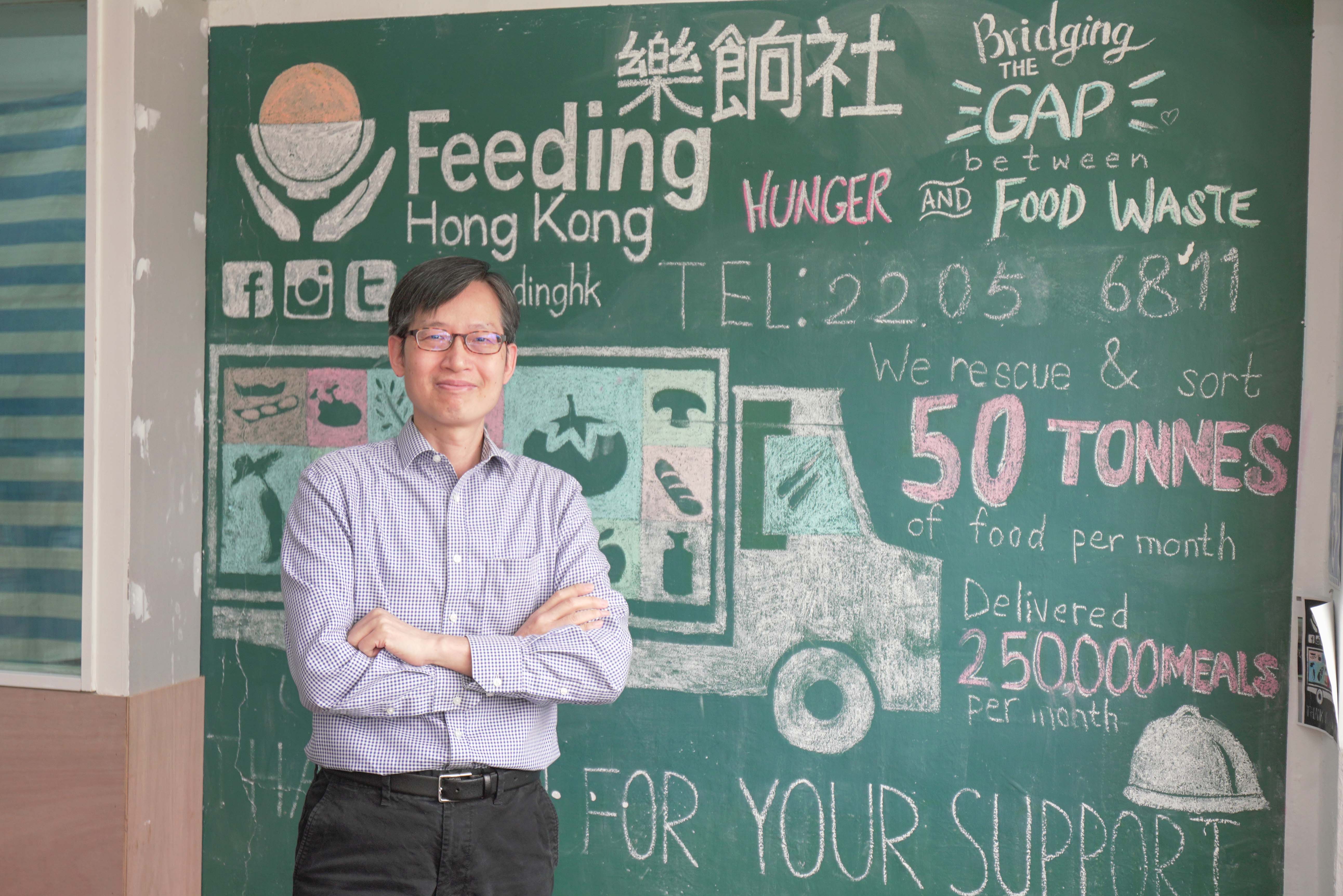
Feeding Hong Kong's food-saving story began one evening, when the team saw a neighbourhood bakery about to throw a whole tray of perfectly edible bread into the bin. They launched a "rescue mission" on the spot, donating the bread to a shelter, and began to ask a bigger question: what should happen to good surplus food?
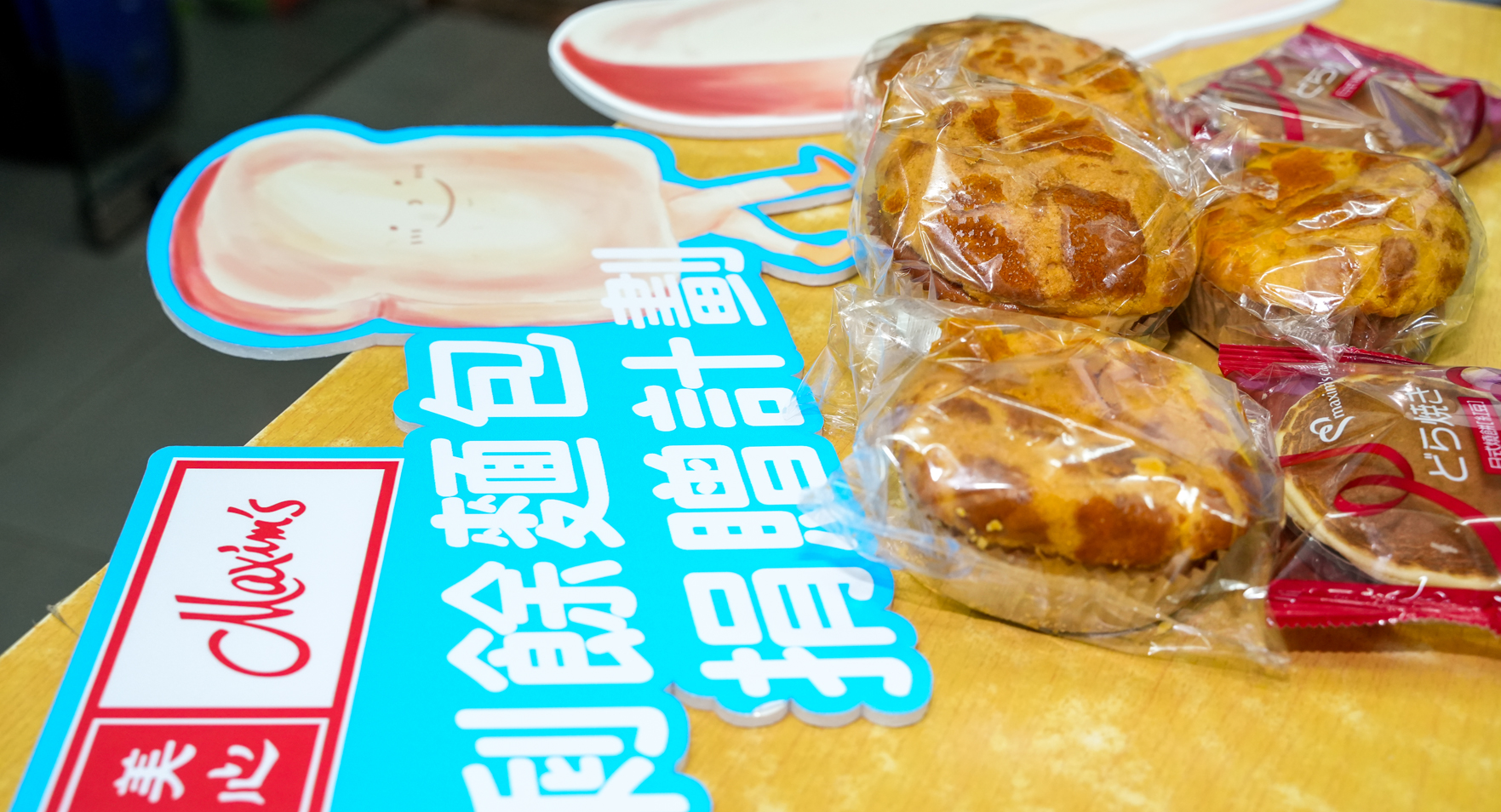
When Feeding Hong Kong first worked with Maxim's to rescue surplus bread, food safety was the top priority. Bread with meat fillings or mayonnaise was avoided, while sliced loaves, cocktail buns and individually wrapped cakes became the main items collected.
As Feeding Hong Kong sees it, more and more companies are now willing to take on social responsibility; without them, there would be no source of food donations. For more than a decade, the Love Bread Donation Programme has remained hugely popular. Many parents encourage their children to join in, turning it into a meaningful volunteering experience that passes the message of reducing food waste on to the next generation.
3. Passing On the Spirit of Cherishing Food
For Foodlink, collecting surplus food is only the first step. Handling and sorting it properly, then distributing it according to need, matters just as much; otherwise it simply creates "secondary waste". Foodlink acts as a bridge connecting many parties.
During the pandemic, many partners temporarily stopped their regular supplies, and food donations fell by 80%. At the same time, unemployment rose and requests for help kept growing. Foodlink quickly developed new approaches, such as frozen meal packs: dishes were cooked, vacuum-sealed and refrigerated, so service users could take them home and reheat them one pack at a time.
A loaf of bread that was once about to be thrown away has grown into a powerful force over more than a decade. Through Maxim's Group's Love Bread Donation Programme, every loaf goes far beyond its original value.
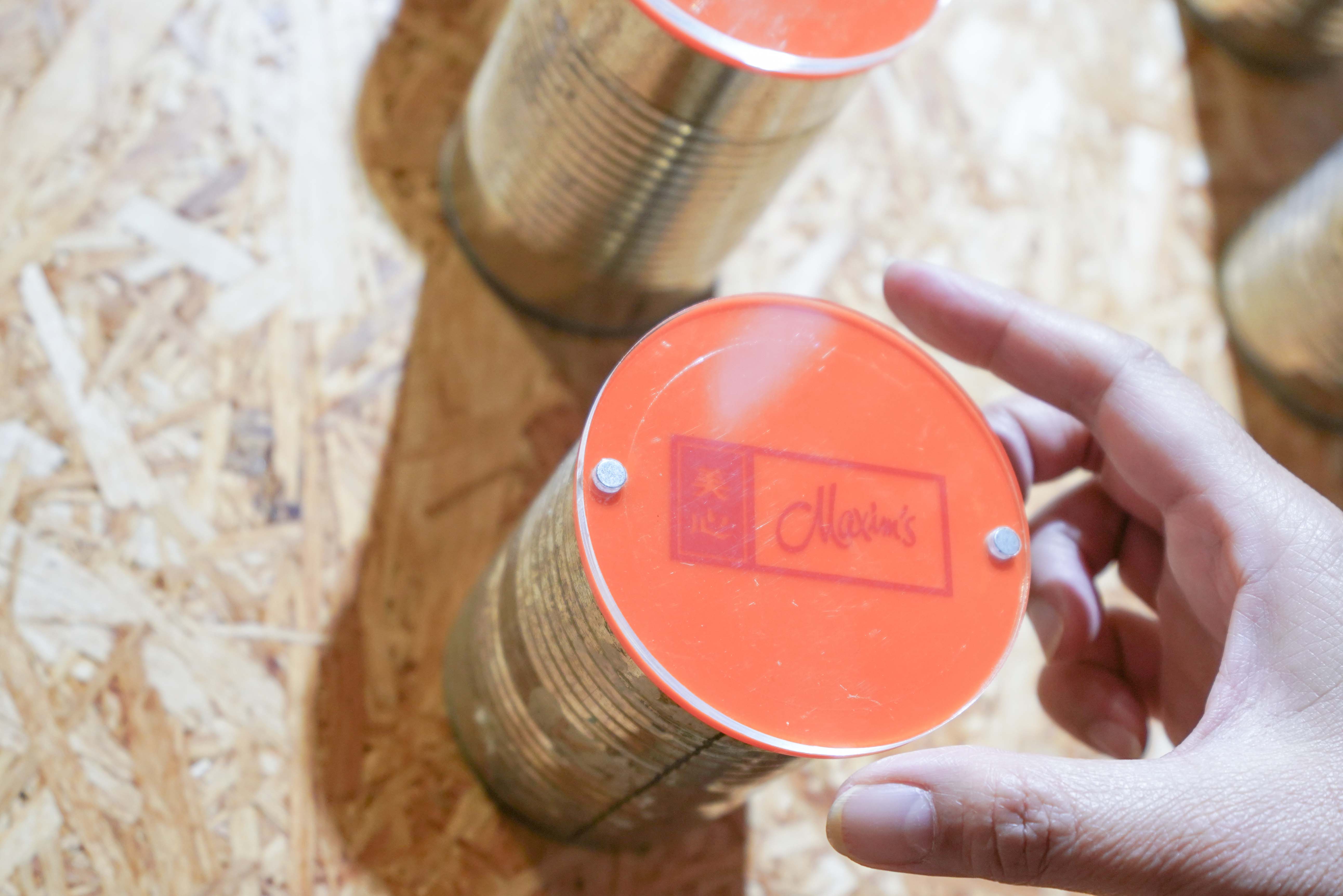
Foodlink Foundation hangs tin cans engraved with the names of partnering organizations on the wall of their office reception area. It symbolizes food and kindness being linked together and spreaded out.