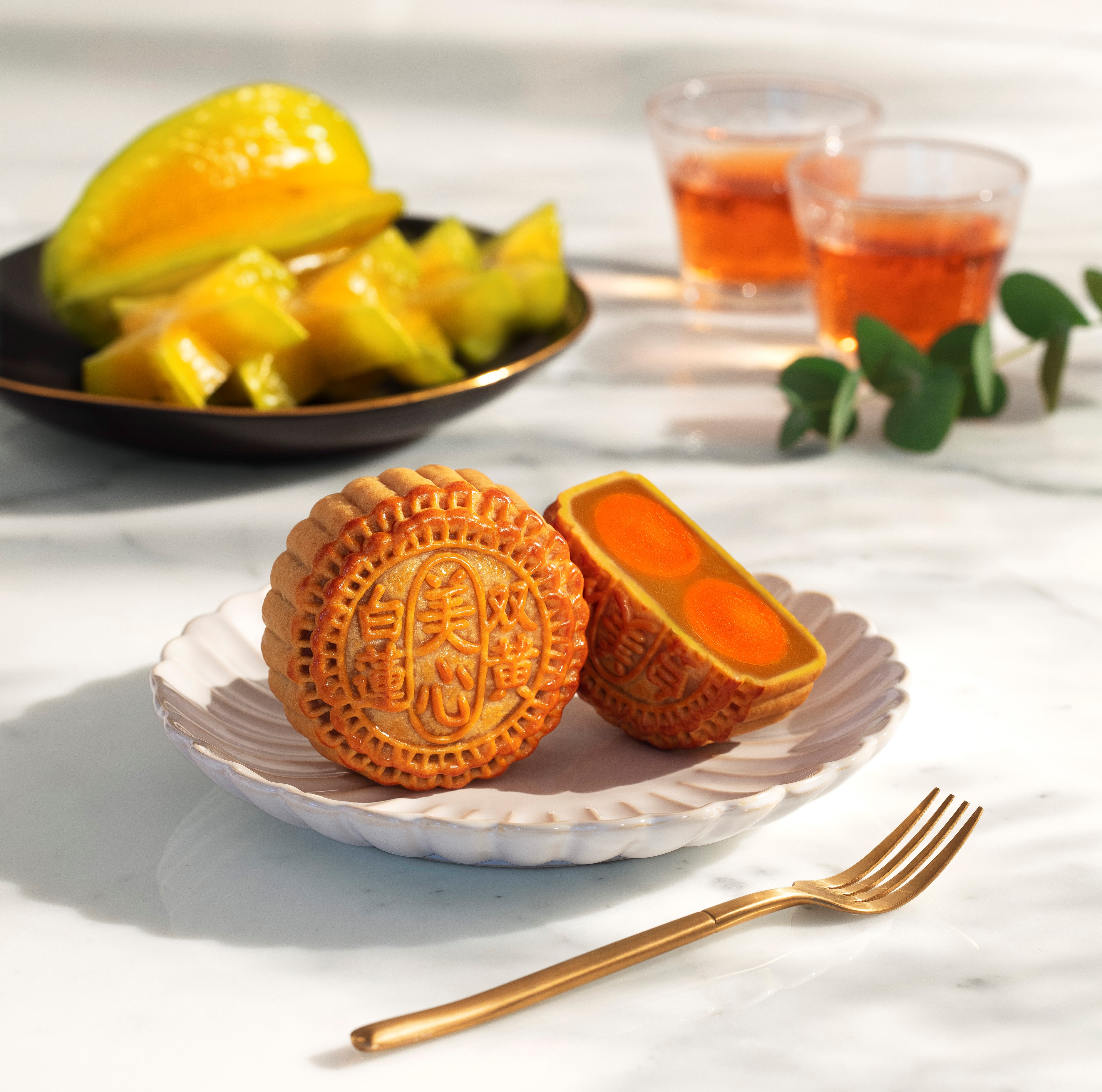
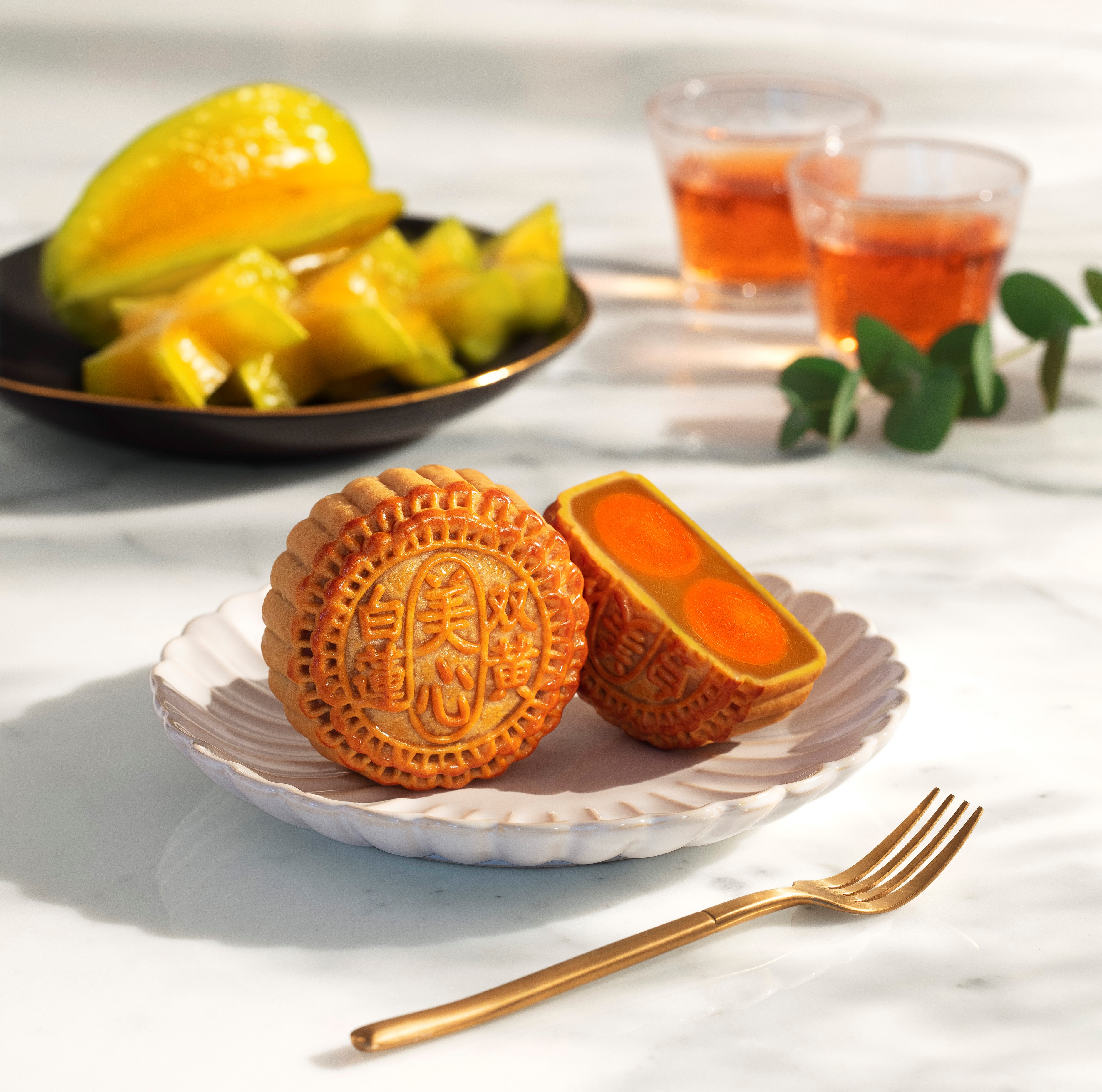
A Level of Care Even Chang'e Couldn't Imagine
- #Responsible sourcing
- #Decarbonization
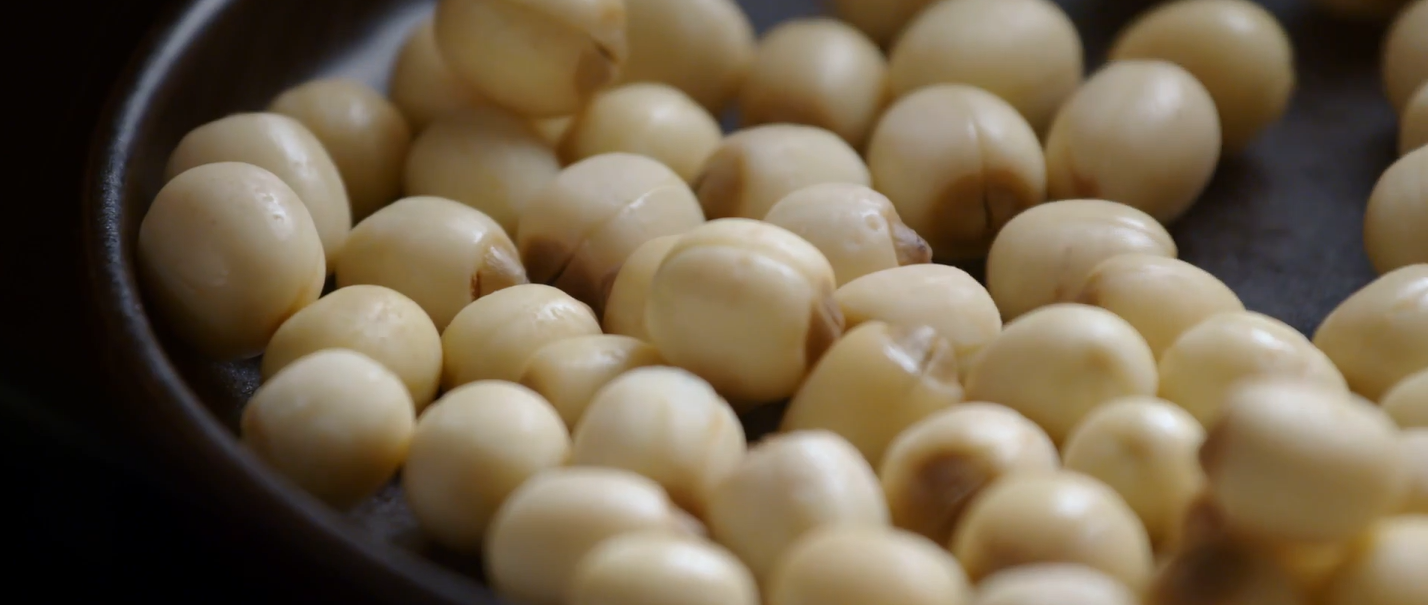
Every lotus seed used in the lotus seed paste of Maxim's mooncakes is hand-picked, the result of dedicated work by farmers, our factories, our supply chain and our quality assurance teams.
1. Hunan Lotus Seeds: The Finest of China's Three Great Varieties
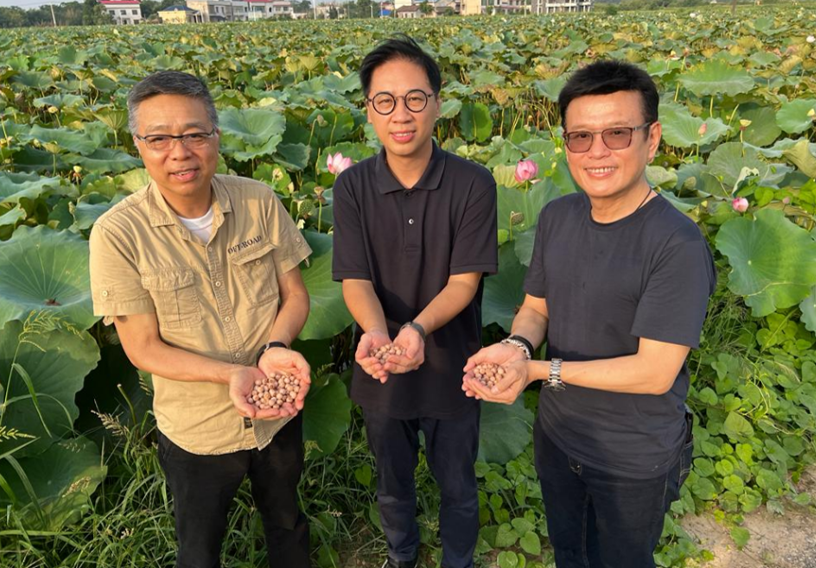
There are hundreds of cultivated lotus varieties, and seeds grown in different climates and environments vary in character and quality. Finding the right combination of varieties for Maxim's mooncake paste was a long and painstaking process. After years of field visits and product development, Maxim's Group chose Xiang lotus seeds from Xiangtan in Hunan as the best choice.
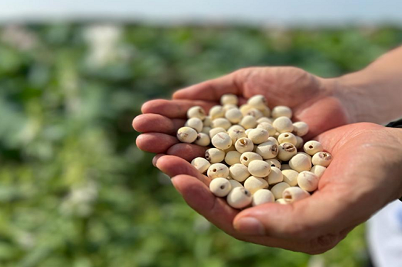
Plump and round, Xiang lotus seeds were offered as tribute to the imperial court as early as the Song dynasty, and they rank first among China's three great lotus seed varieties (Xiang, Jian and Xuan). There is also a knack for picking the best seeds from millions of lotus flowers: line up three plump, firm seeds of equal size, and together they should measure exactly one Chinese inch (cun). Anything larger or smaller is set aside, which is why the finest seeds are known as "three-to-an-inch" lotus seeds (cun san lian). Choosing the right ingredient is only the start. Making sure it is produced safely and kept at the best quality is just as important.
"Three-to-an-inch" lotus seeds are white, plump and tender, keeping their delicate sweetness even after processing.
2. More Than a Year of Work Behind Every Harvest
Making lotus seed paste depends on close teamwork between Maxim's factories, supply chain team and the Hunan lotus growing bases, with every food safety requirement spelt out in detail. Seeds are screened for shape, colour and even smell, and checked for foreign matter, dryness and damage during transport. No step can be overlooked!
Because of this attention to detail, the lotus seed paste that reaches shelves each Mid-Autumn Festival takes well over a year to prepare. Planning with the growing bases starts around the previous Lunar New Year: the land is prepared around Chinese New Year, seeds are sown in April and harvested in September, followed by processing, packaging and transport. In recent years, extreme weather, high temperatures and the pandemic have made harvesting and logistics more challenging, so the team starts preparing even earlier and adapts as conditions change.
Land-friendly, science-based farming plays a vital role in protecting natural resources and ecosystems. That is why Maxim's Group works closely with upstream suppliers and farms when sourcing, aiming to build a sustainable system that keeps soil healthy and even improves biodiversity.
3. GGAP Certification for a Better Environment and Quality
Maxim's Group requires its crops to be certified under Global Good Agricultural Practice (GGAP). GGAP is an internationally recognised set of farming standards. Through rigorous risk management and analysis, it ensures that soil, water and other factors meet food safety standards, while also benefiting the local environment and nearby communities.
Maxim's began promoting Good Agricultural Practice certification among its lotus seed suppliers as early as 2016, and it is now a requirement for all of them. All the lotus seeds used in Maxim's mooncakes come from certified farms, with around 680 tonnes used in 2025. At first, suppliers were unsure how the certification system worked, so Maxim's supply chain team provided training to help them find suitable land and water sources that met the requirements. When the lotus seeds arrive at the warehouse, samples are also tested for aflatoxins, heavy metals and more to make sure levels stay within safety limits.
Every bite of sweet lotus seed paste is the result of countless steps and great care: planting the lotus, harvesting the seeds, sorting and processing at the factory, safety and quality checks, and delivery to the bakery. It is a work of art that even Chang'e, the Moon Goddess, would admire.
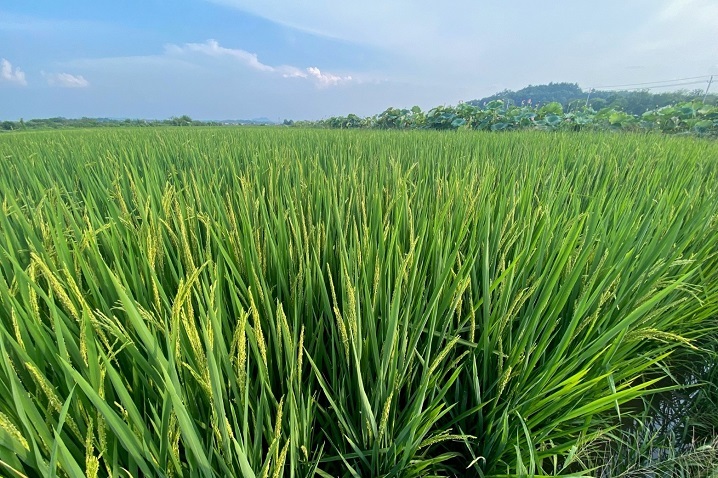
Maxim's Group requires its crops to be GGAP-certified, ensuring that the soil, water and other growing conditions meet food safety standards.
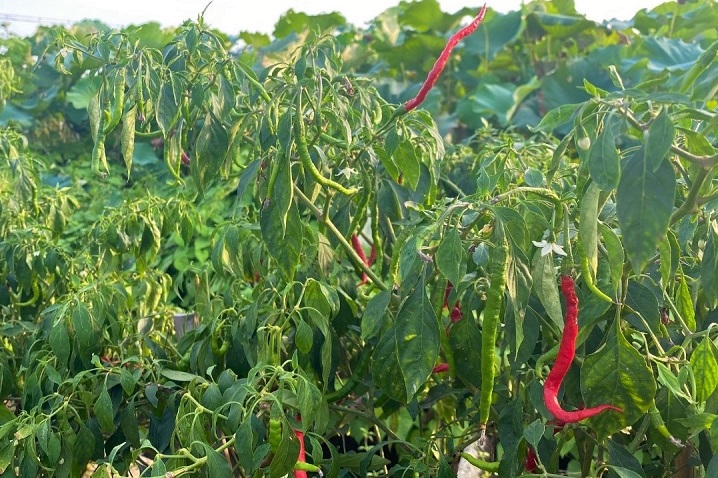
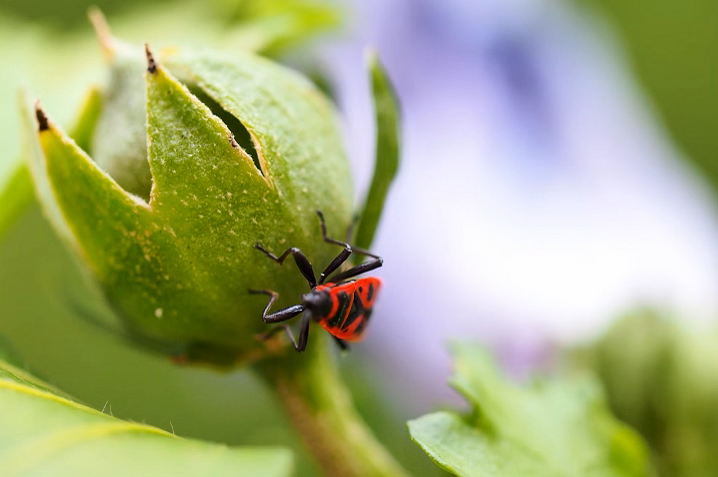
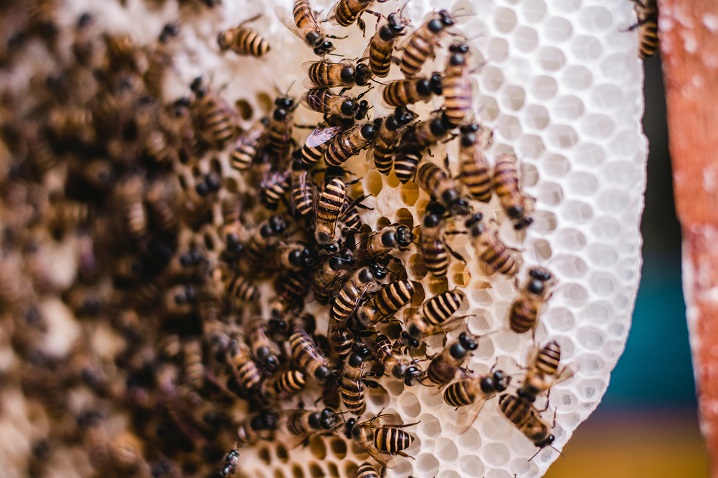
Some of the positive environmental impacts of GGAP: